 admin
Both Nadia Hironaka and Matthew Suib had worked as separate artists before joining together and combining their forces. Before they worked together collaborating in projects, they were together but worked separately. They had tried over the years after they were married to work together on projects but after an hour the process wasn’t going as well as they had thought it would. Each time they had tried it led to nothing but arguments over concepts, ideas, and basically the process on how to work or even the process of the concepts. However, in 2007 there was an exhibition in L.A. where they had wanted collaborating artists to display their work.
As a result of this information, Nadia Hironaka and Matthew Suib set out to work once more on trying to collaborate on art works. Since their interests within the art field are similar, both working closely in animation, video mediums they set out for a concept that would work. First, they had to get their ideas out to each other without the consequences of previous tries on collaborating. At this moment they realized the most important part of working as two artists in one project, communication. When first hearing upon two artists that work together I didn’t even think communication would be a problem or that artists worked together on art works or big projects.
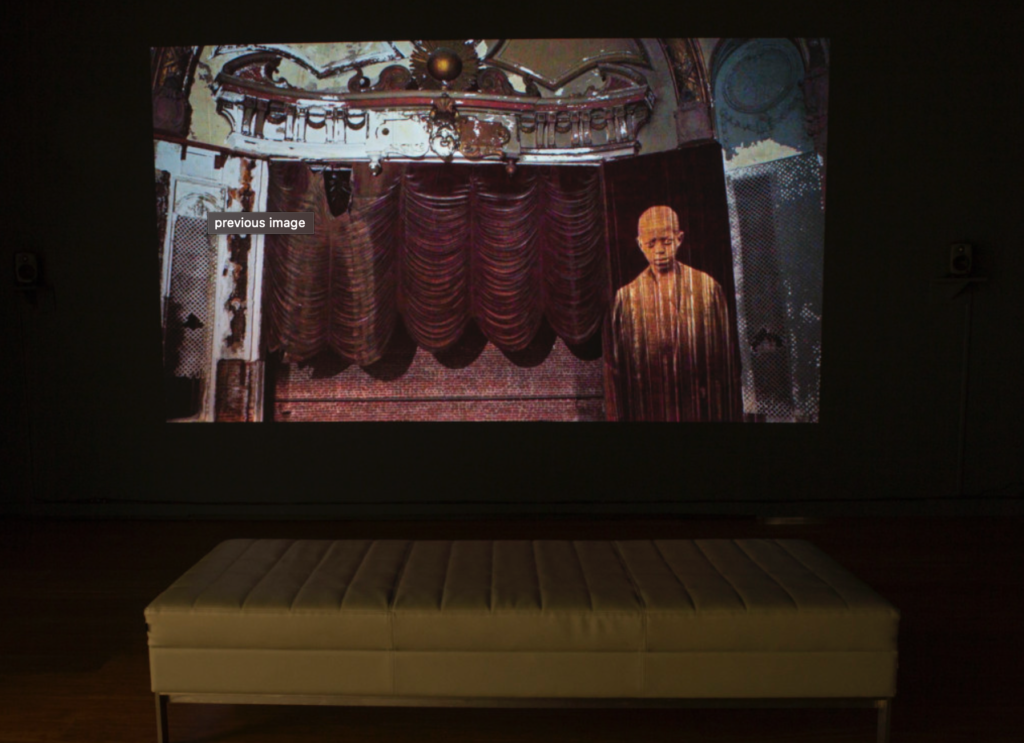
I had always assumed that artist had worked independently or had hired assistants to help them achieve their visions not work together. Although it does sound like an interesting concept as both Nadia Hironaka and Matthew Suib listed the benefits. Even in an academic setting it’s not the same as being out in the world pursuing your dreams. Within the one class there was a small project in which there was collaboration but it’s not the same as what the two are doing. They discuss a concept, form an idea based on two and pursue it while splitting the work load and take breaks alternatively since there are two main artists.
Their way of working makes it sound like an amazing way to produce their final idea as a full, fledge, finished project. Thus, proving two is better than one, in this case heads or artists.